


The Reggio Emilia approach for 12 to 36 months: relationships as the curriculum, the projects of ver
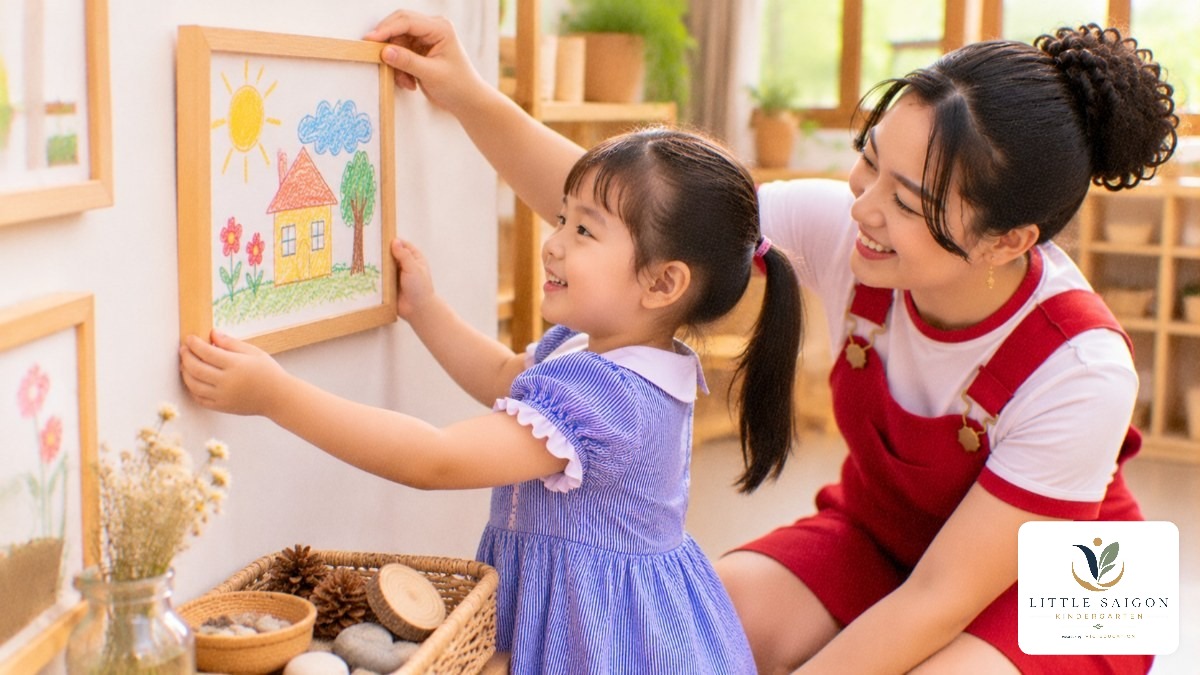
Ten ways to bring Reggio Emilia home for ages 1 to 6: play corners, loose parts, open questions, pro

How class size and teacher-child ratios affect preschoolers, what research says, why Reggio Emilia works in small groups and questions to ask.

What the pedagogy of listening is, why listening to children is hard, eight listening habits and questions to replace “how was school today”.
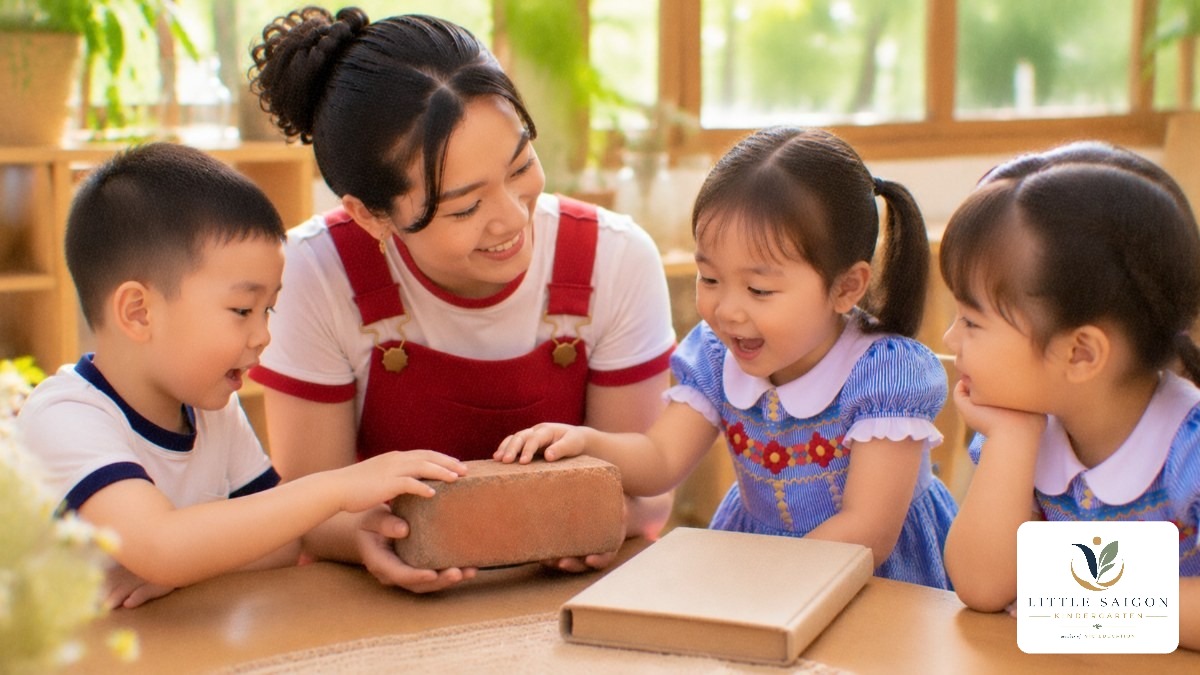
The origins of the Reggio Emilia approach in Italy after 1945, the role of Loris Malaguzzi, key milestones and what Reggio Emilia Inspired means.

Clay in Reggio Emilia education, how it differs from play dough, four stages of getting to know clay, four basic techniques and how to prepare.

Why light, shadow and the light table are learning materials in Reggio Emilia, what children learn and ten easy light games.

What to observe in a classroom, twelve questions to ask the school, how to listen to the answers and six signs to think twice.

What loose parts are in Reggio Emilia education, seven easy-to-find groups of materials, benefits for creative thinking and a safe set-up at home.

What the image of the child means in Reggio Emilia, the expectation effect, and five phrases that help children grow confident in their abilities.

What open-ended questions are, why Reggio teachers rarely answer for children, twelve questions for every day and three listening techniques.

Reggio Emilia and Montessori compared through seven classroom differences, what they share, and how to choose the right preschool.

What the atelier is, how it differs from ordinary art lessons, why process matters more than product and how to bring the atelier home.

What Grade 1 teachers need from pupils, whether early reading is an advantage, and how project learning prepares children for primary school.
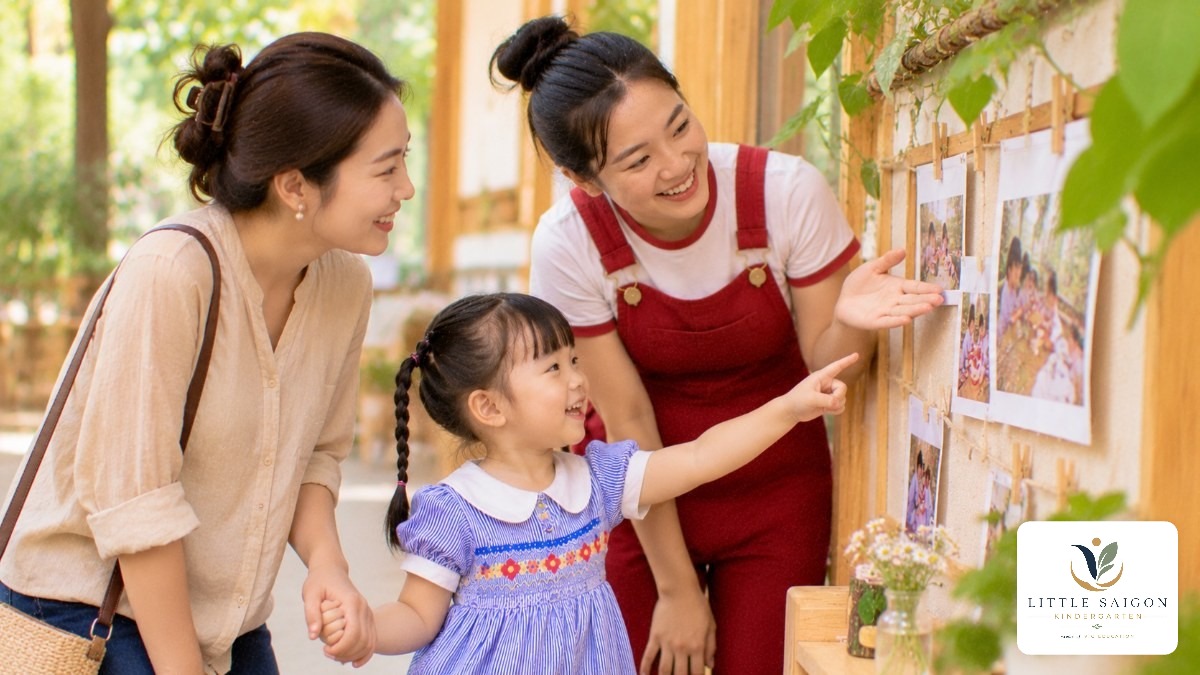
Why Reggio Emilia sees parents as partners, what you are entitled to expect, and seven ways to accompany your child’s learning.

What documentation of learning is in Reggio Emilia, how it differs from reward stickers, and how to read a documentation panel.

What project-based learning is in preschool, three phases of a project, how it differs from themes, and how children meet letters and numbers through projects.
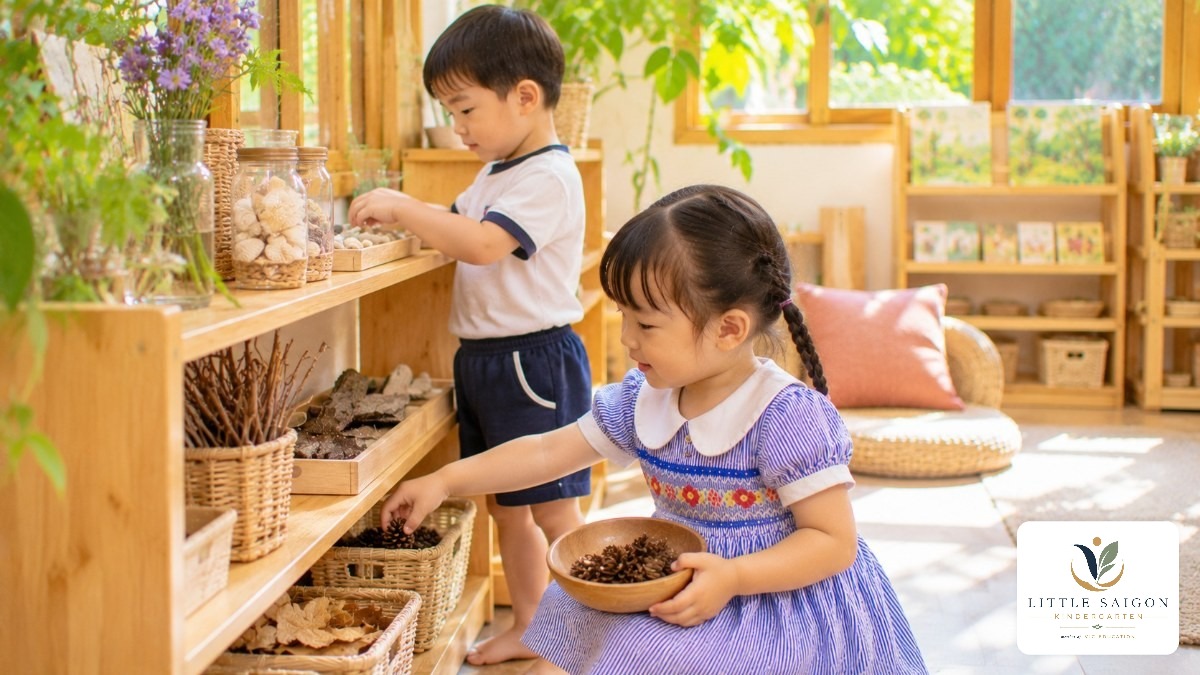
Why Reggio Emilia calls the environment the third teacher, five features of a space that teaches, and how to arrange four play corners at home.

What the hundred languages mean in Reggio Emilia, why not to draw models or correct a child’s picture, and six ways to open up creativity at home.

What Reggio Emilia is, how children learn, how it differs from Montessori, and how to recognise a preschool that truly practises it.


Chi Nguyen
Founder & Principal
M: +84 967 168 058
 Campus 1:
VICTORIA BILINGUAL PRESCHOOL SYSTEM HCMC
29 Sử Hy Nhan, Phường Thạnh Mỹ Lợi, TP. Thủ Đức
Tel: 028 3535 0159
Hotline: 0967168058
Follow us


Campus 2:
LITTLE SAIGON KINDERGARTEN
63/16 Đường Số 36, Phường Linh Đông, TP. Thủ Đức
Tel: 028 3535 7589
Hotline: 0967168058
Follow us


